Improve the technology readiness of metabarcoding as a tool for effective biodiversity monitoring
Connecting knowledge, best practices, and data
The Swedish Metabarcoding Network (SMN) aims to improve the technology readiness of metabarcoding as a tool for effective biodiversity monitoring. We are a network of partners across Sweden who collaborate to develop and share best practices, protocols, and data for metabarcoding in Sweden. This covers all parts of the metabarcoding process, from fieldwork via labwork to data analysis and publication.
Part of our mission is to enable other researchers and non-academic partners to utilize metabarcoding and interpret the resulting biodiversity data. There is a particular emphasis on making existing and newly produced datasets available as FAIR biodiversity data, increasing their utility and impact.

0
Subscribed research groups
0
FAIR metabarcoding datasets
0
Published workflow protocols
0
Software tutorials
0
Training events
Our goals
Create a network of researchers and biodiversity practitioners across Sweden
Enable researchers and non-academic partners to utilise metabarcoding data
Advancing FAIR biodiversity data by mobilising metabarcoding data to the ASV Portal
Why upload your data? →-
1
Field sampling
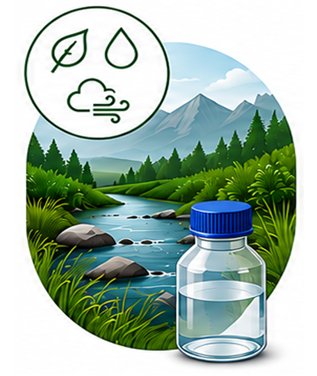
Collect environmental or bulk samples from terrestrial, freshwater or marine environments.
-
2
DNA extraction
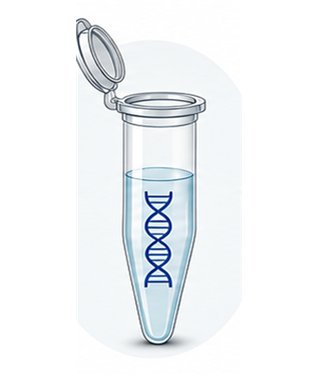
Extract DNA from samples to capture genetic material from multiple organisms.
-
3
PCR & library prep
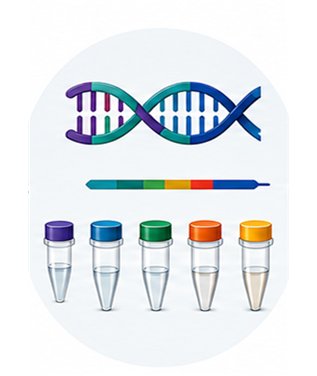
Amplify target markers with PCR and prepare indexed libraries for sequencing.
-
4
Sequencing
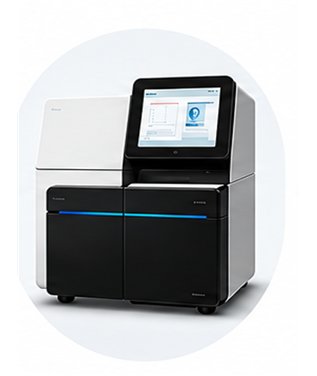
Sequence the libraries using high-throughput sequencing technologies.
-
5
Bioinformatics analysis
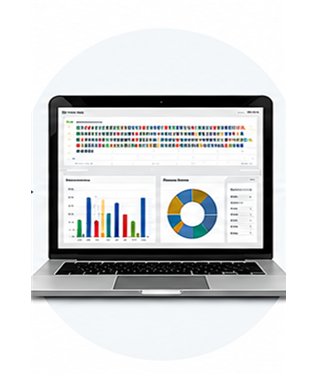
Process sequences, derive ASVs, assign taxonomy and create taxonomy tables.
-
6
ASV portal
Upload your ASV data to the ASV Portal for curation, annotation, long-term storage and public access in SBDI and GBIF.
How to upload → -
7
FAIR biodiversity data
FAIR data are discoverable, accessible and reusable for research, monitoring and decision-making.
Advantages of uploading your data to the ASV Portal
- VisibilityIncrease the visibility and citation of your work. Each dataset receives a permanent GBIF DOI that makes your data citable and traceable in scientific publications.
- FAIR DataMake your ASVs Findable, Accessible, Interoperable, and Reusable. The portal ensures consistent metadata, open formats, and long-term accessibility.
- Up to dateYour ASVs are regularly re-annotated using the latest reference databases. This keeps your taxonomic assignments up to date without additional work on your side.
- Insight and comparisonCompare your results with other metabarcoding datasets. The portal enables cross-study analyses and helps you identify broader biodiversity patterns.
- Contribute to global knowledgeYour uploaded ASV data will be made available on GBIF, supporting biodiversity research and helping build a comprehensive picture of species distributions.
- Link to environmental dataView your and other's data in the interactive spatial portal, allowing to link it to a big selection of environmental and contextual layers.
Video Guide: How to upload ASV data
23 OCT
2026
Join our eDNA workshop!
Introduction to the Swedish Metabarcoding Network and a live demo of how to mobilise eDNA-derived metabarcoding data on SBDI/GBIF as occurrence data, giving your data more visibility and reuse. We will also present free NBIS support for uploading eDNA data to ENA and GBIF and making it FAIR-compliant.
07 OCT
2026
Nucleotide Sequence Search - Technical Support Hour for Nodes
Technical Support Hour • Open to anyone interested
18 AUG
2026
Exploring eDNA in SBDI
Hands-on workshop on accessing, processing, and exploring eDNA metabarcoding data with SBDI resources and R.
18 AUG
2026
Get started with nf-core/ampliseq
Practical introduction to DADA2 denoising and taxonomic annotation of amplicon reads with nf-core/ampliseq.
03 JUN
2026
Introduction to DNA in biodiversity data - Technical Support Hour for Nodes
3 June 2026 at 16:00 CEST • Online
11 FEB
2026
Exploring eDNA in SBDI
Training event held during SBDI Days 2026 in Stockholm. A related Hands-on tutorial is available in Resources.
Overview of existing datasets
Browse and download currently available ASV datasets through the ASV Portal download overview.
Open resource →SBDI
National infrastructure for open and FAIR biodiversity data, tools, and taxonomies.
Open resource →SciLifeLab
Sweden's national research infrastructure for life science technologies and expertise.
Open resource →GBIF Sweden
Swedish node of the Global Biodiversity Information Facility for open biodiversity data access and publishing.
Open resource →protocols.io
Bring structure to your research with a secure platform for developing and sharing reproducible methods.
Open resource →Bulk samples to sequencing
-
FAVIS v2: Fast and Versatile protocol for bulk insect metabarcoding
Non-destructive, high-throughput workflow from lab setup and sample handling to DNA extraction, library prep and sequencing.
-
Sample homogenization and DNA extraction for bulk insect catches
Whole-catch homogenization and magnetic bead purification protocol to recover additional DNA from bulk trap samples.
Standardization and controls
-
Synthetic COI spike-ins for metabarcoding-based insect surveys
Design, production and storage of synthetic COI spike-ins as internal controls to improve comparability across samples and experiments.
Topic
No tutorials for this topic yet.
Figure placeholder
Postdoctoral researcher at the University of Gothenburg
Work with marine genetic data and monitoring, and help link genetic monitoring data into SBDI and GBIF. Reference: PAR 2026/698.
View the advertGBIF seeks a contractor for molecular OTU clustering and target-gene classification services
This may be of interest to members of the network working with metabarcoding, eDNA and bioinformatics.
Read the announcementHave an opportunity to share?
Positions, calls, or collaborations in metabarcoding — let us know and we will post them here.
Contact usSwedish Forest Soil Inventory
Long-term monitoring of forest soils at about 2,000 permanent plots across Sweden since 1983. Besides soil chemistry, DNA methods are used to determine fungal community composition.
Visit websiteAgricultural Soil Inventory
An upcoming national inventory of agricultural soils, linked to the EU Soil Monitoring Law (in force since December 2025), which lists loss of soil biodiversity among the key soil threats.
EU Soil Monitoring LawFreshwater diatom inventory
Diatoms are key indicators of freshwater quality. New DNA barcode reference data for Swedish freshwater diatoms (Kahlert et al. 2026) support metabarcoding-based assessments.
Read the paperInvasive species monitoring in harbours
Monitoring of non-indigenous species in Swedish harbours. Contact: Matthias Obst. More information coming soon.
Swedish Insect Monitoring Scheme (SIMS)
Monitors insects at Swedish monitoring sites using Malaise traps and DNA metabarcoding (running until 2027). Run jointly by NRM, SLU, KTH, Stockholm University and Station Linné.
Visit websiteNational eDNA idea group
Coordinated by the Finnish Environment Institute (Syke) since 2020, the group shares information on molecular monitoring methods, projects and events among more than 110 research institutions, universities and companies.
Contact: Tiina Laamanen, tiina.laamanen@syke.fi
Visit websiteSouthern eDNA Society
A science–industry collaboration across Australia and New Zealand that promotes best-practice eDNA methods and connects researchers, practitioners and end users.
Visit websiteDutch National eDNA initiative
National initiative bringing together eDNA expertise in the Netherlands. More information coming soon.
Contact: Henrik Cornelisson van de Ven
More eDNA networks around the world
Europe
- DNAqua-NetGenomic tools for biodiversity assessment and biomonitoring of European water bodies
- LOFRESHUK · eDNA for tracking species presence and abundance in and around freshwater habitats
- UK DNAUK · connects eDNA researchers and end users within the UK Environmental Observation Framework
Asia-Pacific
- EcoDNAAustralia & Asia-Pacific · eDNA applications in biodiversity conservation
- The eDNA SocietyJapan · fostering eDNA science as a discipline
North America
- GEN-FISHCanada · location and abundance of Canada's 200+ freshwater fish species
- Maine-eDNAMaine, USA · research, education and outreach on coastal ecosystems
- SeMMAPCalifornia, USA · citizen science in the surface water monitoring program
- Government eDNA Working Group (GEDWG)USA · no-cost consortium of government and non-government agencies interested in eDNA
Global
- iESTFInternational eDNA Standardization Task Force · consistent, high-quality eDNA methods for monitoring and assessment
- OBONOcean Biomolecular Observing Network, UN Ocean Decade programme
- MBONMarine Biodiversity Observation Network within GEO BON
- UNESCO eDNA ExpeditionsCitizen science measuring marine biodiversity across World Heritage marine sites
- Vigilife ObservatoryGlobal ecosystem monitoring networks built on regional scientific programmes
Compiled from the network map of the eDNA Collaborative. Know a network we should add? Let us know.
Sign up for our newsletter
Hear about events, trainings, new resources and opportunities in metabarcoding. It's free and comes with no obligations.
Join our communityGet free help from a data steward with uploading your ASV/OTU data
Request helpHelp us getting an overview
If you produce metabarcoding data and are interested in making them FAIR, fill out this short survey.
Survey